Head-to-head
BYD Seal vs BYD Atto 2
At $31,990 the BYD Atto 2 undercuts the BYD Seal by $15,000 (32%) — but does the premium deliver enough of an edge to justify itself? Here's how the two compare on price, range, charging, safety and warranty.
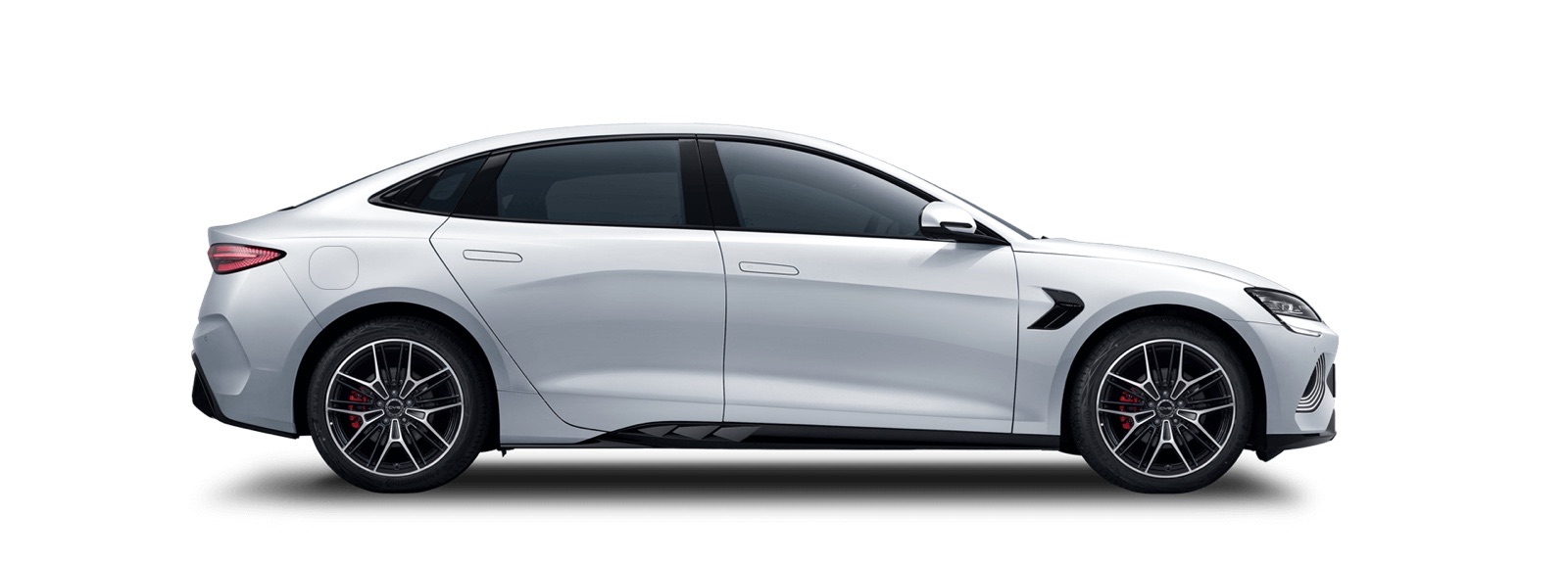
Option A · Sedan
BYD Seal
BYD's answer to the Tesla Model 3, the Seal pairs a Cell-to-Body Blade battery with rear- or all-wheel drive and serious performance — all from under $50,000 in base trim.
- From
- $46,990
- Range
- 570 km
- Battery
- 82.5 kWh
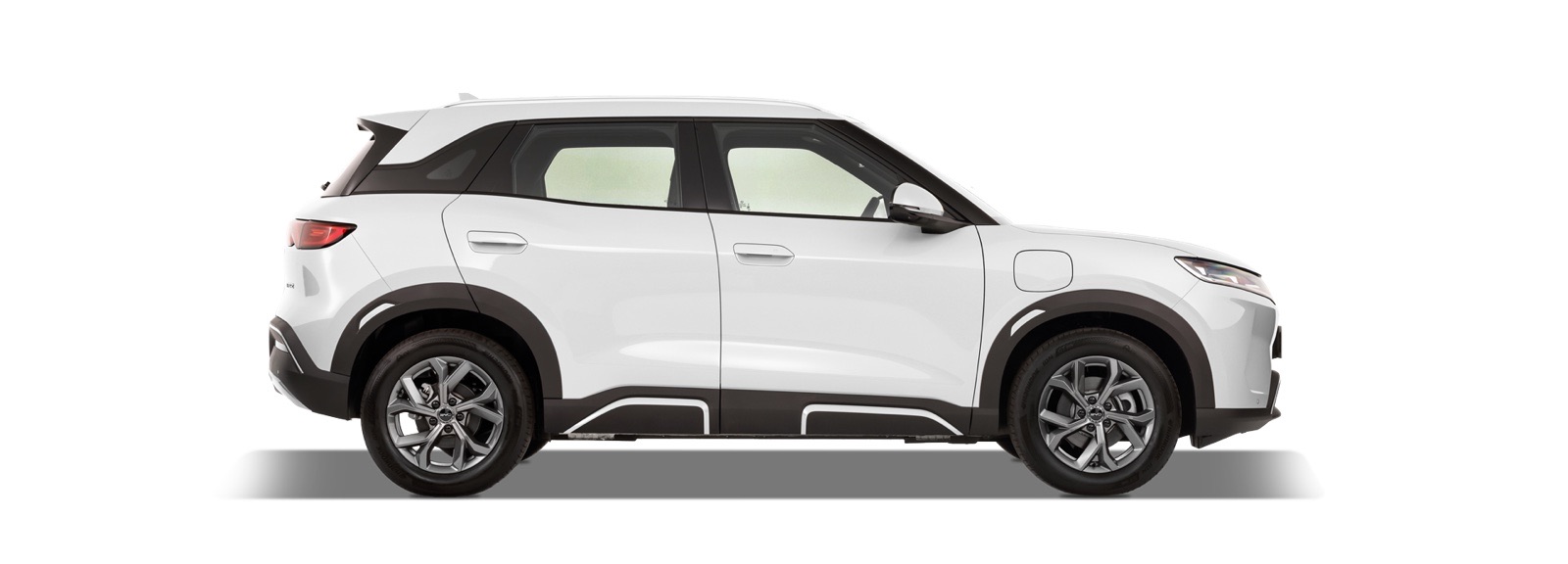
Option B · SUV
BYD Atto 2
BYD's smallest SUV — slots beneath the Atto 3 with a cheaper from-price. The Blade LFP battery delivers a 345 km WLTP range, with vehicle-to-load and Vehicle-to-Vehicle charging as standard.
- From
- $31,990
- Range
- 345 km
- Battery
- 51.3 kWh
Key differences at a glance
The biggest material gaps between the BYD Seal and BYD Atto 2, ranked by how much they're likely to matter day-to-day.
- 1
Range · advantage BYD Seal
The BYD Seal goes 225 km further on a charge (570 vs 345 km WLTP).
- 2
Battery · advantage BYD Seal
The BYD Seal carries a 31.2 kWh larger battery (82.5 vs 51.3 kWh).
- 3
DC charging · advantage BYD Seal
The BYD Seal accepts 68 kW more DC peak charging (150 vs 82 kW), meaning shorter road-trip stops.
- 4
Power · advantage BYD Seal
The BYD Seal puts down 100 kW more (230 vs 130 kW).
- 5
Price · advantage BYD Atto 2
The BYD Atto 2 undercuts the BYD Seal by $15,000 (32%) on starting price.
Spec for spec
Highlighted cells show the better number in each row.
Where the BYD Seal wins
- ▸ 225 km longer WLTP range
- ▸ Quicker 0–100 km/h (5.9s vs 7.9s)
- ▸ Faster DC charging peak (150 kW vs 82 kW)
Where the BYD Atto 2 wins
- ▸ Cheaper by $15,000
BYD Seal
What we like
- ✓ Genuine Model 3 competitor for thousands less
- ✓ Powerful AWD Performance variant available
- ✓ Generous standard equipment list
What we don't
- ✕ Software lacks the polish of Tesla's
- ✕ Boot opening is sedan-shaped (no hatch)
- ✕ Resale value yet to establish
BYD Atto 2
What we like
- ✓ Australia's cheapest electric SUV at $31,990
- ✓ Blade LFP battery (industry-leading safety chemistry)
- ✓ 8-year battery warranty
What we don't
- ✕ Modest 345 km WLTP range
- ✕ Single-phase 7 kW AC charging only
- ✕ Not yet ANCAP tested
Frequently asked: BYD Seal vs BYD Atto 2
Quick answers to the questions cross-shoppers most often ask about this pair.
- Which is cheaper, the BYD Seal or the BYD Atto 2?
- The BYD Atto 2 is the cheaper of the two — it starts at $31,990 versus $46,990 for the BYD Seal, a $15,000 difference. Prices shown are manufacturer recommended retail excluding on-road costs.
- Which has the longer driving range?
- The BYD Seal has the longer WLTP-claimed range at 570 km, 225 km further than the BYD Atto 2's 345 km. Real-world range typically lands 10–20% below the WLTP figure depending on speed, terrain, climate and load.
- Which one charges faster on a DC fast charger?
- The BYD Seal accepts a peak DC charging rate of 150 kW versus 82 kW for the BYD Atto 2. Peak rate only holds for a short window during the charging curve, so real-world 10–80% times often diverge less than the peak numbers suggest. Compatibility with 350 kW chargers depends on the vehicle's onboard architecture, not just the published peak.
- Which is quicker off the line?
- The BYD Seal does 0–100 km/h in 5.9 seconds — 2.0 s quicker than the BYD Atto 2's 7.9 s. EV acceleration figures hold up at speed better than equivalent petrol cars because electric motors deliver peak torque instantly.
- Is the BYD Atto 2 better value than the BYD Seal?
- On paper the BYD Atto 2 is $15,000 cheaper, but trails the BYD Seal on the core measurable specs. The saving might still be worth it if you don't need the extra range, power or charging speed — but the BYD Seal is the spec-sheet winner.
Which one should you buy?
The short version, based on where each car pulls ahead.
Choose the
BYD Seal
if…
- ✓ maximum range matters (225 km further per charge)
- ✓ you regularly do long road trips (faster DC peak)
- ✓ you want quicker acceleration off the line
Choose the
BYD Atto 2
if…
- ✓ you want to save $15,000 on the sticker
- ✓ you match the profile: first ev buyers
Verdict reasoning is derived from published specs; brand preference, dealer experience and how a car drives are personal — always take a test drive before deciding.