Head-to-head
Kia EV6 vs Toyota bZ4X
Just $2,600 separates the Kia EV6 and Toyota bZ4X on starting price, but the Toyota bZ4X goes 63 km further on a charge. Here's where the rest of the spec sheets pull apart.
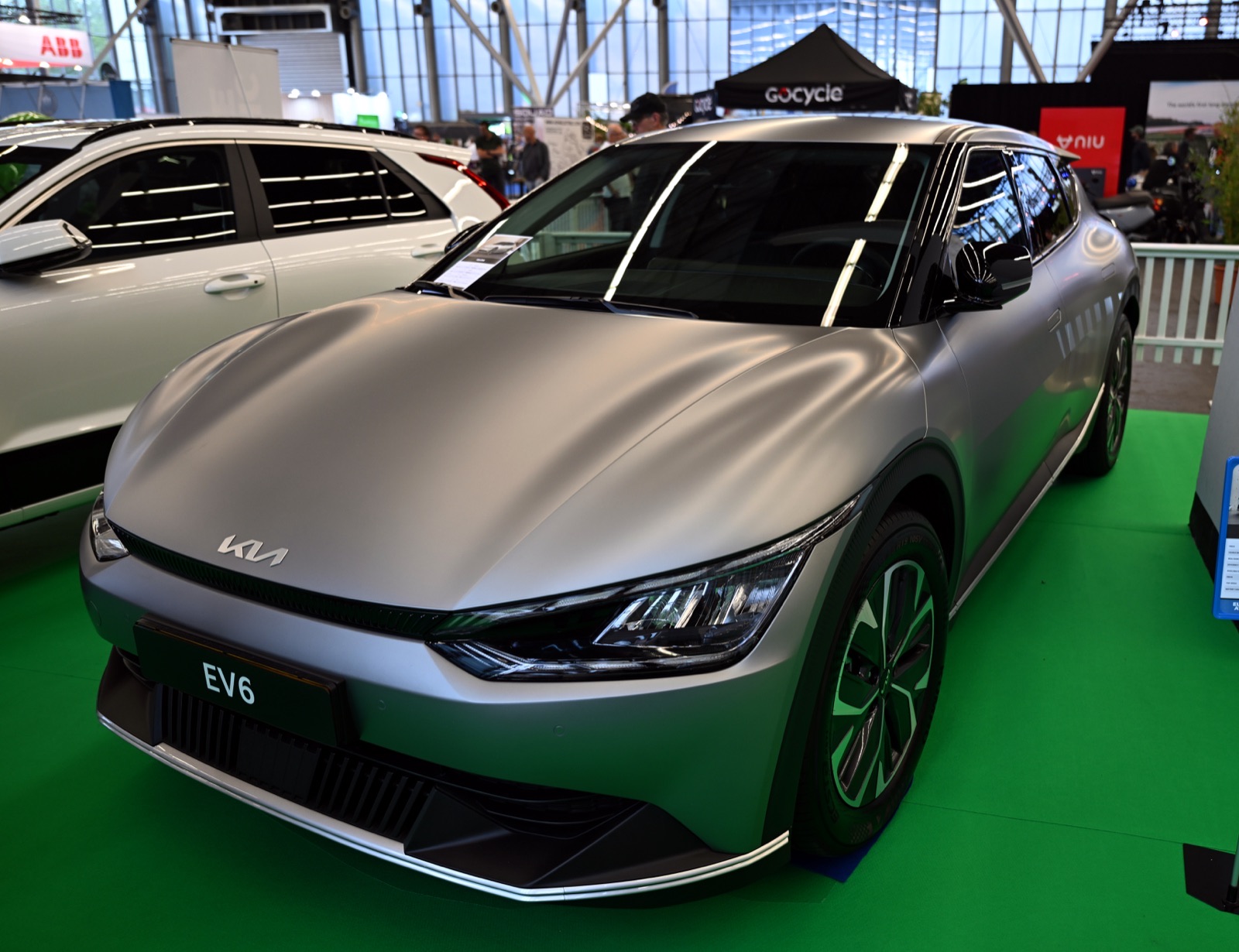
Option A · SUV
Kia EV6
Built on Hyundai-Kia's 800-volt E-GMP platform, the EV6 charges from 10–80% in under 20 minutes on a 350 kW charger. The GT variant is one of the fastest production cars sold in Australia.
- From
- $72,590
- Range
- 528 km
- Battery
- 84 kWh
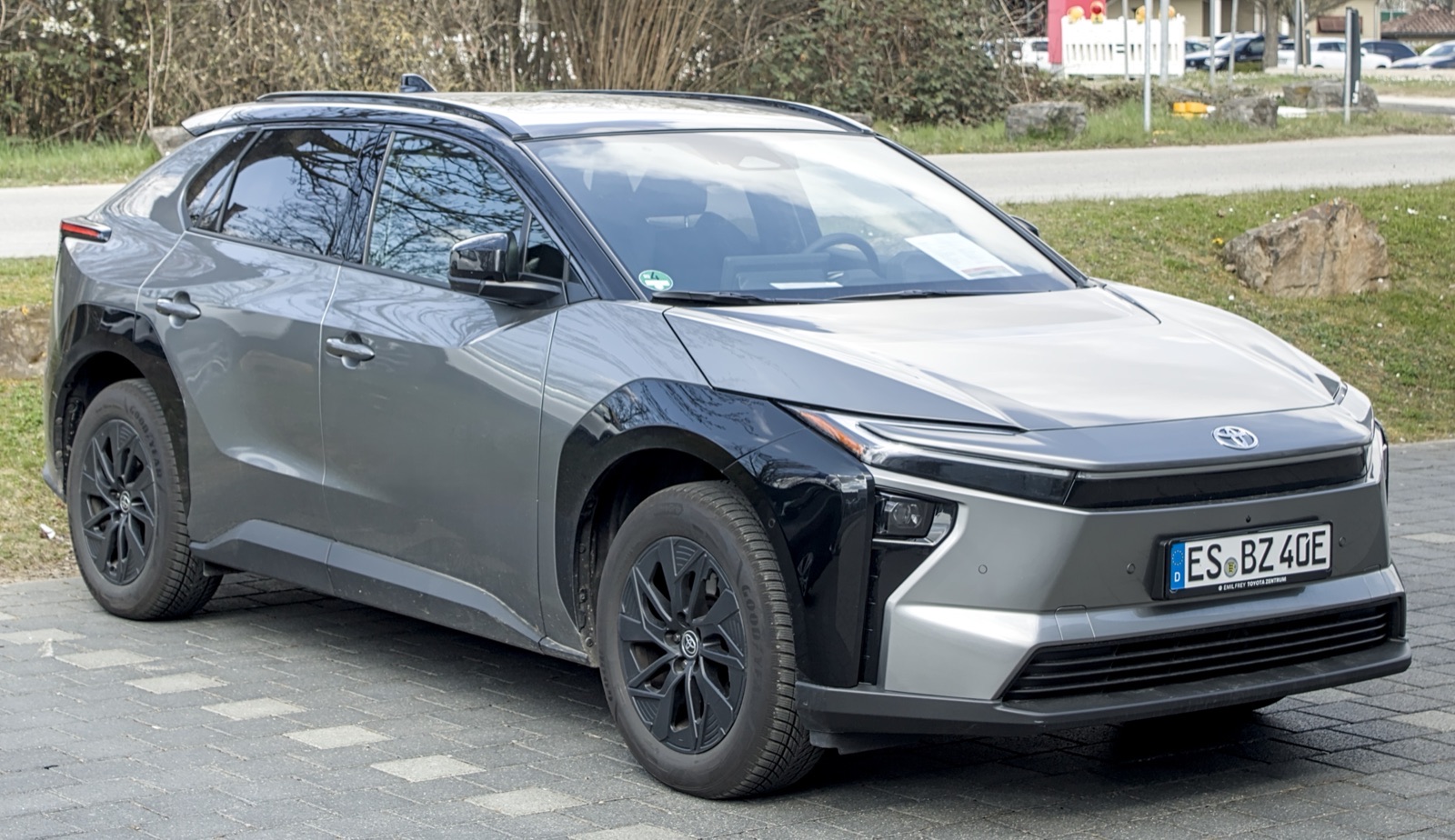
Option B · SUV
Toyota bZ4X
Toyota's first dedicated electric SUV, co-developed with Subaru (which sells it as the Solterra). Long battery warranty and Toyota's service network are the standout features — performance is mid-pack.
- From
- $69,990
- Range
- 591 km
- Battery
- 74.7 kWh
Key differences at a glance
The biggest material gaps between the Kia EV6 and Toyota bZ4X, ranked by how much they're likely to matter day-to-day.
- 1
Range · advantage Toyota bZ4X
The Toyota bZ4X goes 63 km further on a charge (591 vs 528 km WLTP).
- 2
DC charging · advantage Kia EV6
The Kia EV6 accepts 83 kW more DC peak charging (233 vs 150 kW), meaning shorter road-trip stops.
- 3
Battery · advantage Kia EV6
The Kia EV6 carries a 9.3 kWh larger battery (84 vs 74.7 kWh).
- 4
Warranty · advantage Kia EV6
The Kia EV6 covers the vehicle for 2 more years (7 vs 5 yrs).
- 5
Price · advantage Toyota bZ4X
The Toyota bZ4X undercuts the Kia EV6 by $2,600 (4%) on starting price.
Spec for spec
Highlighted cells show the better number in each row.
Where the Kia EV6 wins
- ▸ Quicker 0–100 km/h (7.3s vs 7.5s)
- ▸ Faster DC charging peak (233 kW vs 150 kW)
- ▸ Longer warranty (7 years)
Where the Toyota bZ4X wins
- ▸ Cheaper by $2,600
- ▸ 63 km longer WLTP range
Kia EV6
What we like
- ✓ 800V architecture for ultra-fast DC charging
- ✓ Striking exterior design
- ✓ Excellent ride/handling balance
What we don't
- ✕ Rear seat headroom limited by sloping roofline
- ✕ Boot smaller than EV5
- ✕ Updates have pushed price upward each year
Toyota bZ4X
What we like
- ✓ Industry-leading 10-year battery warranty
- ✓ Toyota's huge service network across Australia
- ✓ Strong 591 km WLTP range from the FWD variant
What we don't
- ✕ AC charging limited to 7.6 kW (single-phase only)
- ✕ Toyota was late to BEV — interior feels less modern than rivals
- ✕ Modest motor power for the kerb weight
Frequently asked: Kia EV6 vs Toyota bZ4X
Quick answers to the questions cross-shoppers most often ask about this pair.
- Which is cheaper, the Kia EV6 or the Toyota bZ4X?
- The Toyota bZ4X is the cheaper of the two — it starts at $69,990 versus $72,590 for the Kia EV6, a $2,600 difference. Prices shown are manufacturer recommended retail excluding on-road costs.
- Which has the longer driving range?
- The Toyota bZ4X has the longer WLTP-claimed range at 591 km, 63 km further than the Kia EV6's 528 km. Real-world range typically lands 10–20% below the WLTP figure depending on speed, terrain, climate and load.
- Which one charges faster on a DC fast charger?
- The Kia EV6 accepts a peak DC charging rate of 233 kW versus 150 kW for the Toyota bZ4X. Peak rate only holds for a short window during the charging curve, so real-world 10–80% times often diverge less than the peak numbers suggest. Compatibility with 350 kW chargers depends on the vehicle's onboard architecture, not just the published peak.
- Which has the longer warranty?
- The Kia EV6 is covered by a 7-year vehicle warranty, versus 5 years for the Toyota bZ4X. Both also carry separate high-voltage battery warranties — check the manufacturer's site for the latest kilometre and condition limits.
Which one should you buy?
The short version, based on where each car pulls ahead.
Choose the
Kia EV6
if…
- ✓ you regularly do long road trips (faster DC peak)
- ✓ peace-of-mind warranty matters (2 more years of cover)
- ✓ you match the profile: frequent road-trippers
Choose the
Toyota bZ4X
if…
- ✓ you want to save $2,600 on the sticker
- ✓ maximum range matters (63 km further per charge)
- ✓ you match the profile: toyota loyalists
Verdict reasoning is derived from published specs; brand preference, dealer experience and how a car drives are personal — always take a test drive before deciding.